
How to Choose the Right Accounting Software for Your Business

Choosing the right accounting software is crucial for ensuring the financial health of your business. With so many options available, it can be overwhelming to pick the one that best suits your needs. Below are a few factors to consider when selecting accounting software.
Start by assessing the size of your business. Small businesses typically need software that is easy to use, affordable, and offers basic functionalities like invoicing, expense tracking, and tax filing. Popular options for small businesses include QuickBooks and Xero. These platforms offer user-friendly interfaces and scalable features that can grow as your business expands.
For larger businesses or those with more complex needs, you may require software with advanced features, such as financial forecasting, multi-currency support, or in-depth reporting capabilities. In such cases, software like Sage, NetSuite, or Microsoft Dynamics may be more suitable.
Consider your industry-specific requirements. Certain industries, like retail or construction, may need specialized features such as inventory management or job costing. Make sure the software you choose can accommodate these needs.
Integration capabilities are another essential factor. The accounting software should be able to integrate with other tools your business uses, such as payroll systems, inventory management software, or customer relationship management (CRM) tools. Seamless integration reduces manual data entry and improves efficiency.
Lastly, evaluate your budget. While you want to invest in a solution that meets your business needs, the cost is a significant consideration. Many accounting software options offer tiered pricing models, so you can choose a plan that aligns with your business’s size and needs.
By considering these factors, you can select the accounting software that will help streamline your processes, improve financial accuracy, and ultimately drive your business toward long-term success.
The Benefits of Cloud-Based Accounting for Your Business

Cloud-based accounting solutions have revolutionized how businesses manage their finances. With the traditional accounting methods requiring manual entries and paper records, cloud-based platforms offer businesses a modern, efficient, and secure way to handle their accounting needs.
One of the most significant advantages of cloud accounting is real-time access to your financial data. Whether you’re in the office or on the go, you can access your accounting records from any device with internet access. This flexibility allows for better decision-making, as you can instantly view your financials and make adjustments as needed.
Security is another key benefit. Cloud platforms often provide robust encryption and regular backups to ensure your data is secure from potential threats. Moreover, most cloud providers are committed to meeting industry standards and regulations, giving you peace of mind that your business’s financial data is safe.
Collaboration is simplified with cloud accounting. You can grant access to your accountant, business partners, or other stakeholders, allowing them to view and work on the same documents simultaneously. This eliminates the need for constant back-and-forth communication, streamlining workflows and reducing the risk of errors.
Cloud-based accounting also offers scalability. As your business grows, the software can grow with you. You can easily upgrade your plan or add new features as your needs evolve. Whether you’re a small business or a larger enterprise, cloud accounting platforms can be tailored to suit your requirements.
Additionally, cloud accounting software typically updates automatically, meaning you don’t have to worry about manually installing the latest features or tax changes. This ensures your business is always using the most up-to-date tools and is compliant with current regulations.
For businesses looking for efficiency, flexibility, and security, cloud-based accounting is a game-changer.
5 Common Accounting Mistakes Small Businesses Make and How to Avoid Them

As a small business owner, managing finances can be a complex task, especially when you’re juggling multiple responsibilities. Unfortunately, many small businesses fall victim to common accounting mistakes that can jeopardize their financial stability. Recognizing and addressing these issues early can help you avoid unnecessary stress and financial pitfalls.
One of the most common mistakes is poor record-keeping. When you don’t maintain organized records, it becomes difficult to track expenses and revenue, leading to discrepancies in your financial reports. To avoid this, ensure you use accounting software or hire an accountant to keep accurate and updated records.
Another frequent mistake is mixing personal and business finances. This can cause confusion and complicate tax filing. To prevent this, always maintain separate bank accounts for your business and personal expenses, and ensure your accounting system reflects this distinction.
Neglecting tax planning is another issue. Many small businesses fail to set aside enough money for taxes or don’t take advantage of tax deductions. Regularly reviewing your business expenses with a professional accountant and planning for taxes can help you avoid financial surprises at year-end.
Ignoring cash flow management can also lead to problems. Cash flow is crucial for keeping your business running smoothly. You need to monitor incoming and outgoing funds closely to ensure you have enough liquidity to cover expenses. An accountant can help you manage cash flow and project future financial needs.
Finally, failing to regularly review financial statements can be detrimental. Without periodic check-ups, you may miss trends or issues that could be affecting your financial health. Make sure to review your profit and loss statements, balance sheets, and cash flow regularly.
By addressing these common mistakes, small businesses can ensure their finances are in order, making it easier to scale and thrive.
Why Every Business Needs Professional Accounting Solutions
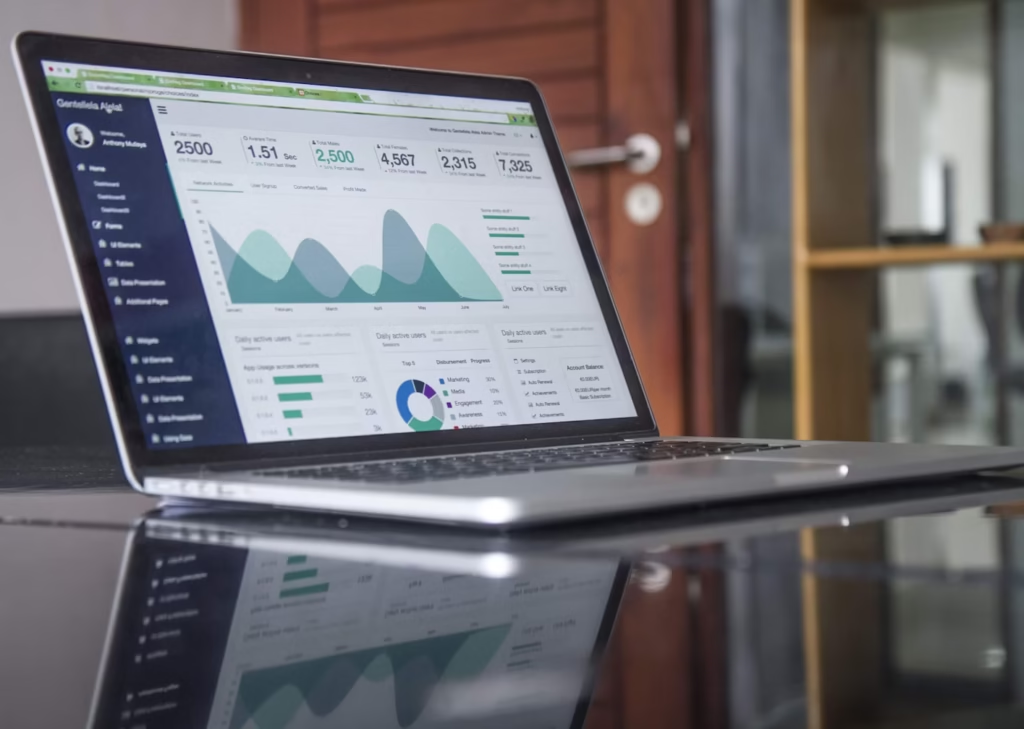
In today’s fast-paced business environment, managing finances can be overwhelming. From budgeting and taxes to financial forecasting, business owners face a myriad of tasks that require expertise. This is where professional accounting solutions come in. Whether you’re a startup or a large enterprise, having access to experienced accountants can make all the difference in your financial success.
Accurate financial management is the foundation of any business. Professional accountants help you track your income, expenses, and profits, ensuring that your records are up-to-date and compliant with all tax regulations. This reduces the risk of errors and penalties that can arise from incorrect filings or overlooked deductions. Moreover, an accountant can provide tailored financial advice that aligns with your business goals. Whether you’re seeking ways to improve cash flow, reduce tax liability, or maximize profits, a professional accountant can offer valuable insights.
Outsourcing accounting tasks to experts allows you to focus on running your business instead of spending time on complex financial matters. From preparing monthly financial reports to assisting with audits, a reliable accounting service helps your business maintain its financial health. Additionally, accounting professionals can help you navigate new laws and regulations that may impact your bottom line, saving you time and potentially avoiding costly mistakes.
Ultimately, professional accounting solutions offer businesses the security of knowing their financials are in good hands, empowering owners to make informed decisions with confidence.